The Essential Manual of Garage Door Repairs: What to Foresee and When to Phone
Garage doors play an essential role in home security and convenience. However, they are prone to various problems that can disrupt daily life. Understanding typical issues, maintenance strategies, and the appropriate time to seek expert help is critical for homeowners. This guide presents key details about garage door services. It highlights significant questions about spotting problems and choosing the right service provider. What else should homeowners know to guarantee their garage doors operate effectively?
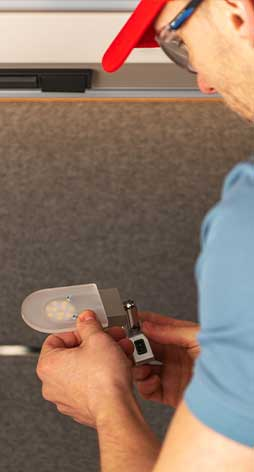
Common Garage Door Problems and How to Identify Them
Most homeowners encounter common garage door issues that can disrupt daily routines. These issues often present in different ways, indicating underlying mechanical or electrical failures. One common problem is the door failing to open or close completely, which could suggest misaligned tracks or a broken motor. Another common issue involves unusual noises like grinding or squeaking, often pointing to damaged rollers or shortage of lubrication.
Additionally, overhead doors may present slow reaction times, a marker of electrical troubles or sensor misalignment. Some occupants may spot the door reversing unexpectedly, revealing an blockage or a broken sensor. Finally, visible deterioration, such as oxidation or splits, can undermine the door's integrity. Pinpointing these standard issues in advance can reduce more major repairs, ensuring the garage door functions effectively and safely.
How to Tackle Routine Garage Door Difficulties
Correcting common garage door issues requires a systematic approach to guarantee safety and efficiency. To begin, one should assess the door's support rails for debris, confirming smooth operation. If the door is not functioning, checking the battery levels in the remote and the opener's power source is vital. In cases of misalignment, the tracks may require tuning to allow proper movement.
For squeaky doors, applying lubricant to copyrights and rollers can often resolve the problem. If the door does not close completely, examining the closing sensors for blockages or misalignment is necessary. For damaged or deteriorated springs, expert help is suggested, as they can be risky to replace.
Finally, if the garage door reverses unexpectedly, inspecting the safety sensors and ensuring they are clean and correctly positioned can assist. Regular checks and prompt attention to these issues can increase the longevity of the garage door system.
Leading Garage Door Maintenance Guidelines
Caring for your garage door properly is necessary for keeping it secure and reliable in its operation. Critical methods involve regular lubrication of active components and thorough inspections of safety features. These actions can significantly extend the garage door's lifespan while enhancing overall capability.
Regular Lubrication Practices
Sustaining a garage door's functionality relies on regular lubrication practices that enhance its performance and longevity. Proper lubrication minimizes friction, reducing wear on moving parts such as rollers, copyrights, and tracks. It is advisable to use a silicone spray or thin oil, which penetrates easily and provides reliable safeguarding against rust and corrosion.
Garage door technicians suggest lubricating these components every six months to ensure smooth functioning. In addition, it is crucial to remove any excess lubricant to prevent debris collection. Regularly inspecting and caring for lubricant levels can help detect emerging concerns before they worsen, in the end prolonging the lifespan of the garage door system and providing consistent functioning for years to come.
Reviewing Safety Features
Applying routine lubrication practices aids the overall functionality of a garage door, but its safety mechanisms demand attention. Inspecting these features regularly is vital for guaranteeing safe operation. The auto-reverse mechanism must be tested by homeowners, and it should engage when an object is detected in the door's path. Moreover, the safety sensors at the base of the door must remain unobstructed and positioned properly to work effectively. The door's balance should also be tested since imbalance can pose safety risks. Ultimately, ensuring the emergency release mechanism works smoothly is crucial, as it provides a reliable fallback during power failures. Regularly inspecting safety features can help avert accidents and lengthen the lifespan of the garage door system.
What Do Garage Door Parts Operate?
Garage doors are made up of various critical parts, each playing a critical role in the system's general effectiveness. The garage door itself works as the main protective element, ensuring security and insulation. The opener, regularly motorized, automates the door's positioning, while the remote control facilitates simple operation.
Tracks guide the door's movement, ensuring smooth operation. Rollers, attached to the door, enable this motion along the tracks. Springs, either torsion or extension, provide the required counterbalance, making it easier to lift the heavy door. Cables connect the springs to the door, enabling tension adjustments.
Safety sensors detect obstacles and prevent the door from closing on objects or individuals and are positioned close to the ground. Weather stripping blocks air and water from entering by closing openings, while the frame holds up the door framework. Each part must function harmoniously to ensure the garage door runs safely and efficiently.
Warnings Your Garage Door Needs Professional Repairs
Recognizing signals that a garage door needs professional service is vital for upholding protection and functionality. Odd noises when operating, challenges in opening or closing smoothly, and visible damage are critical signs that action may be necessary. Prompt attention to these issues can prevent additional complications and assure steady performance.
Unusual Sounds When Running
If a garage door begins to give off unusual sounds during its operation, this often reveals hidden mechanical issues requiring professional attention. Sounds like grinding, squeaking, or chattering commonly suggest issues with the motor, springs, or rollers. For instance, a scraping noise might indicate the rollers are functioning poorly, and creaking may show a lubrication issue. Moreover, a clattering sound often suggests that parts or hardware are loose and should be tightened. Ignoring these noises can lead to more significant damage and costly repairs. It is recommended that homeowners avoid trying to fix these problems alone, since improper actions could make the problem worse. Seeking professional help guarantees the garage door operates safely and efficiently.
Door Won't Open Effortlessly
Peculiar noises may commonly accompany other signs that indicate a garage door requires skilled service. A garage door that doesn't move smoothly can be a serious concern, revealing hidden issues such as misaligned tracks, damaged rollers, or defective springs. Homeowners may notice jerky movements or a complete inability to operate, which can be bothersome and problematic. Such irregularities not only compromise the door's working condition but also pose safety risks. Moreover, if the door hesitates or struggles during operation, it may indicate that swift attention is required. Neglecting these symptoms can lead to more severe deterioration and costly repairs. Seeking professional support guarantees a detailed diagnosis and speedy resolution, returning the door's smooth operation and guaranteeing safety.
Visible Problems or Dents
Observable impairment or deformations on a garage door can suggest the need for skilled repair. Such shortcomings can happen due to numerous causes, including natural elements, unintended collisions, or aging. Not only do these indentations impact the visual appeal of a home, but they can also threaten the door's reliability and protection. For instance, a indent may disturb the door, provoking performance problems or even putting the garage to security risks. Homeowners should examine the magnitude of the impairment; small dents might be fixable with self-help techniques, while extensive harm often calls for expert assistance. Neglecting obvious impairment could result in additional problems, making prompt repair vital for preserving both protection and exterior charm.
Tips for Selecting the Best Garage Door Service Provider
Determining the ideal garage door service provider can markedly impact the endurance and functionality of a garage door system. To make an informed decision, property owners should get started by examining local providers, focusing on their image and customer reviews. A reputable business often showcases positive feedback and client statements, reflecting a pattern of satisfied clients.
Next, it is crucial to verify the company's credentials, including licensing and insurance. This step ensures that the provider follows industry standards and is safeguarded from potential liabilities. Additionally, requesting multiple quotes can help assess pricing structures, allowing comparisons between services offered.
Moreover, analyzing the spectrum of offerings—such as restoration, implementations, and maintenance—is vital. An ideal service provider should present a extensive selection of options shaped to meet different needs. Finally, evaluate the provider's tenure; a long-standing enterprise typically possesses valuable competence in tackling diverse issues efficiently.
What to Anticipate During Door Fixing or Setup
During a garage door repair or setup, residents can generally expect a systematic process from the technician. Initially, the expert will evaluate the existing state of the garage door, identifying any issues or necessary upgrades. This evaluation often includes checking the door's hardware, tracks, and opener functionality.
Once the evaluation is finished, the technician will explain the required repairs or installation process, including expected timelines and pricing. Homeowners should receive a detailed estimate before any work starts.
During the maintenance or setup, the technician will use advanced instruments and devices to guarantee safety and efficiency. Homeowners are encouraged to inquire and voice any issues throughout the process. After the work is completed, the technician usually tests the door to confirm correct functioning and may offer maintenance tips to prolong the door's lifespan. Overall, transparent dialogue and expert service are essential components of the customer experience.
Regularly Addressed Topics
How much time Does a Standard Garage Door Installation Require?
A typical garage door setup usually takes around four to six hours. Elements such as the type of door, current hardware, and complexity of the setup can influence the overall duration required for finishing.
Do garage entrance repair services offer guarantees?
Yes, many garage door services provide guarantees that include protection for labor and components, generally spanning one to several years. It's essential for property owners to review warranty details prior to hiring a technician to ensure sufficient protection and coverage.
Can I install a garage door on my own?
Yes, one can install a garage door themselves, provided they have the necessary tools and learn now skills. However, they should consider possible dangers and issues, as professional installation often guarantees proper functionality and warranty coverage.
How Much Will Garage Door Work Cost?
The cost of garage door services typically ranges from $100 to $500, depending on the complexity of the issue. Cost-determining elements encompass parts needed, labor rates, and whether the door requires adjustments or complete replacement.
How Can I Increase My Garage Door's Safety Measures?
To improve garage door security, one might install deadbolts, security cameras, motion sensors, and smart locks. Regular servicing, including inspecting for vulnerabilities, also helps confirm the door remains secure against potential intrusions.